Many patients with diabetes or a long smoking history don't realize that leg pain when walking, or a foot wound that won't heal, can signal a vascular problem that needs a specialist surgeon - not just "poor circulation" to be ignored. This guide explains, for patients in Saudi Arabia, when a vascular surgeon is needed, the most common conditions treated, and the available treatment options.
What Does Vascular Surgery Cover?
A vascular surgeon treats arteries and veins throughout the body, excluding the heart and brain directly (which fall to cardiac and neurosurgery respectively). The most common conditions include leg varicose veins, peripheral artery disease (narrowing of the leg arteries) common in diabetics and long-term smokers, aortic aneurysm (a dangerous bulge in the aorta), and advanced diabetic foot that can threaten amputation if not treated quickly.
When Do You Actually Need to See a Vascular Surgeon?
- Calf pain that appears after walking a certain distance and eases with rest (intermittent claudication) - a classic sign of peripheral artery disease
- A foot wound or ulcer that won't heal after several weeks, especially in diabetics
- Noticeable coldness or color change in one foot compared to the other
- Painful varicose veins, or ones accompanied by swelling and skin discoloration - not just a cosmetic concern
- An aortic aneurysm found incidentally on imaging done for another reason
Examination and Diagnosis
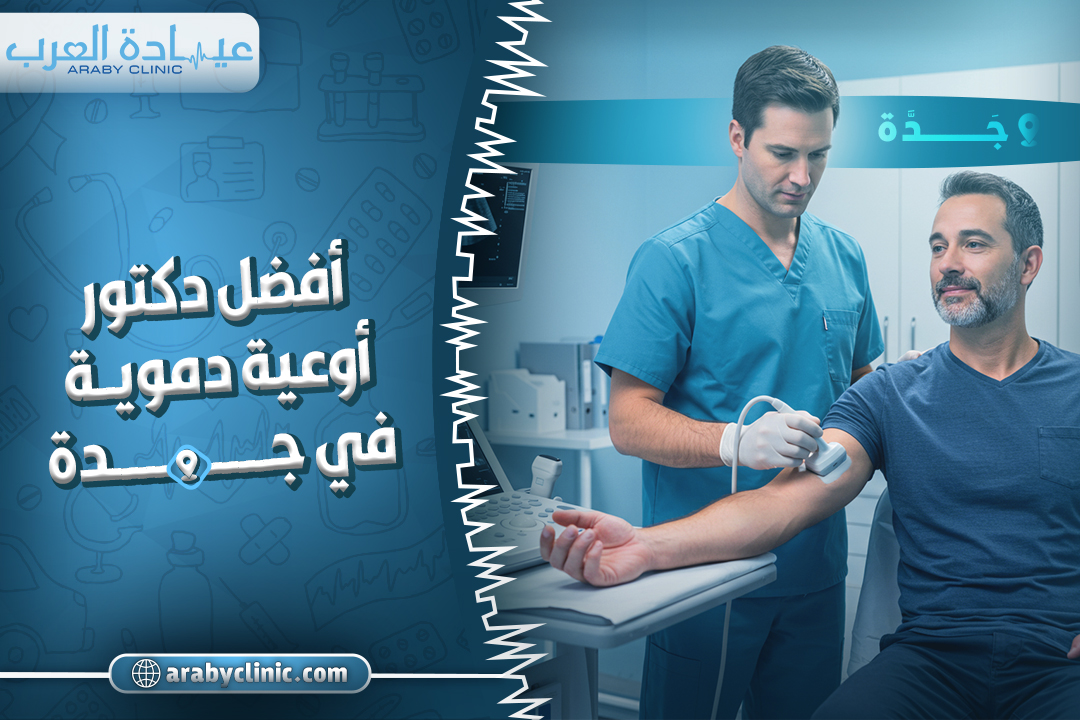
According to the Society for Vascular Surgery, patients with peripheral artery disease may have no symptoms at all, or may experience pain, numbness in the feet, or leg pain while walking that resolves with rest - and if the disease worsens untreated, patients can face amputation, which is exactly why early diagnosis matters so much. The exam typically starts with a simple, painless measurement called the ankle-brachial index, comparing blood pressure at the ankle and arm, followed by a vascular Doppler ultrasound to precisely locate and grade the narrowing before a treatment plan is set.
Treatment Options and Approximate Cost in SAR
- Laser or radiofrequency treatment for varicose veins (minimally invasive): typically SAR 3,000-8,000 per leg
- Sclerotherapy for small varicose or spider veins: lower cost, typically SAR 600-3,000 depending on the number of sessions
- Angioplasty/stenting for peripheral artery disease: typically SAR 20,000-40,000
- Aortic aneurysm repair: among the most complex and expensive vascular procedures given the risk involved, potentially exceeding SAR 70,000-120,000 depending on the repair approach (open surgery or endovascular)
These figures are approximate only - the actual cost is set after Doppler examination and grading the severity of the condition.
Where to Find a Vascular Surgeon in Saudi Arabia
Straightforward cases like varicose veins are handled well by competent vascular surgeons at clinics across many cities. But complex cases such as aortic aneurysm or advanced diabetic foot requiring precise endovascular intervention concentrate their expertise in major vascular centers in Riyadh, Jeddah, and Dammam, which have advanced catheterization suites and multidisciplinary teams - vascular surgeon, diabetologist, wound care specialist - working together on complex cases.
Does Insurance Cover Vascular Surgery?
Saudi health insurance typically covers treatment for peripheral artery disease and aortic aneurysm as serious therapeutic conditions, while some simple varicose vein treatments (especially cosmetic ones like spider veins) may be classified as elective and not covered. Get clear medical documentation of your condition from the doctor before contacting your insurer.
Book Your Consultation
If you have leg pain when walking, a foot wound that won't heal, or bothersome varicose veins, book a consultation with a vascular surgeon through Araby Clinic for an early evaluation that can prevent later complications.