Why Eye Health Deserves Attention
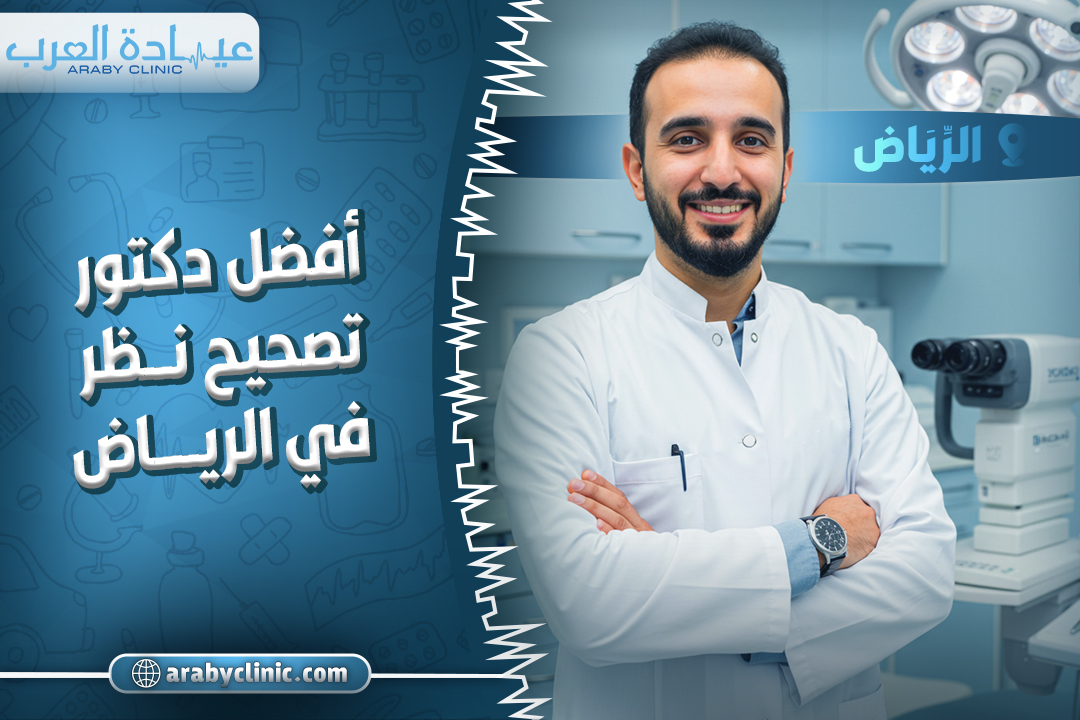
Vision is one of the senses we rely on most, which makes protecting it - through prevention, early treatment, and regular checkups - genuinely important. The best vision correction doctor in
Riyadh plays a central role in that, evaluating each case and recommending the right path, whether that's glasses, contact lenses, or surgery.
Vision Correction Techniques
LASIK as a Common Option
LASIK remains one of the most widely used and successful vision correction procedures, using a laser to reshape the cornea and reduce or eliminate dependence on glasses and contacts.
Advances in Surgical Correction
Surgical vision correction has advanced considerably over the years, with greater precision and lower risk. Newer approaches, including intraocular lens implants alongside LASIK, offer effective options for a wider range of vision problems.
Your Consultation
Required Eye Exams
A consultation starts with a comprehensive eye exam to determine your exact vision status, including vision testing and a retinal exam to rule out any underlying issues that could affect candidacy for surgery.
Aftercare Guidance
Following the procedure, your doctor will walk you through the care needed during recovery, including anti-inflammatory eye drops and avoiding strain on the eyes while they heal.
Cost of Vision Correction
Estimating the Cost
LASIK and related vision correction procedures in Riyadh generally range from roughly SAR 4,000 to 9,000 per eye, depending on the technique used, the degree of correction needed, and the clinic. A consultation with the best vision correction doctor in Riyadh is the only way to get an accurate estimate for your specific case.
Insurance Coverage
Some health insurance plans cover vision correction procedures, particularly when deemed medically necessary. It's worth checking your policy directly to see what's covered and how much of the cost you can offset.
Caring for Your Eyes After Surgery
Regular Follow-Up Visits
Staying on top of follow-up appointments after surgery lets your doctor track healing and confirm the procedure is delivering the expected results.
Preventing Future Vision Problems
Avoiding eye strain and smoking, along with maintaining a healthy diet, supports long-term eye health and helps protect your vision well beyond the initial recovery period.
Long-Term Eye Care
Continued follow-up with your eye doctor after surgery remains important for protecting your results over time. Sticking to your doctor's guidance, avoiding harmful habits, and eating well all support lasting visual health long after the procedure itself is behind you.